Top 5 Mistakes That Damage Equipment and How to Avoid Them

From mining and construction to agriculture, heavy equipment is designed to endure. But even the toughest machines, like your Komatsu dozer or John Deere tractor, can suffer costly damage from avoidable mistakes. Whether you're a long-time operator or just getting familiar with your equipment, here are the five most common ways machines are damaged, along with simple, practical ways to prevent them.
Skipping Regular Maintenance
Neglecting scheduled maintenance is the main cause of premature equipment failure. Machines rely on routine care to keep components running smoothly. Without timely oil changes, filter replacements, or greasing, wear and tear build up fast.
Dirty oil leads to overheating. Clogged filters starve engines of air. Lack of grease increases friction. And the result? Unexpected breakdowns, costly repairs, and reduced resale value.
Here’s how you can prevent this:
Follow the service intervals in your machine’s manual.
Do daily checks on fluid levels and signs of wear.
Clean machines regularly to spot leaks or cracks.
Use a maintenance checklist or logbook to stay on track.
Quick Tip: Komatsu’s KOMTRAX can alert you to upcoming services and track machine health in real time.

Overloading and Misuse
Every machine has a limit. Exceeding weight capacity or using equipment for tasks it wasn’t designed for puts massive stress on its parts. Overfilling a bucket, towing too much, or lifting loads beyond the listed specifications can damage the hydraulics and axles.
You risk blowing hoses, bending frames, or even tipping the machine, which are all dangerous and expensive to fix. Manufacturers like Komatsu and John Deere strictly warn against this.
As such, it is important to:
Know your equipment’s limits: check load charts and specs.
Use the right tool for the job. Don’t ‘make it work’.
Only attach compatible implements and accessories.
Quick Tip: If you feel the machine is straining, it likely is. Stop and reassess.

Poor Operating Practices
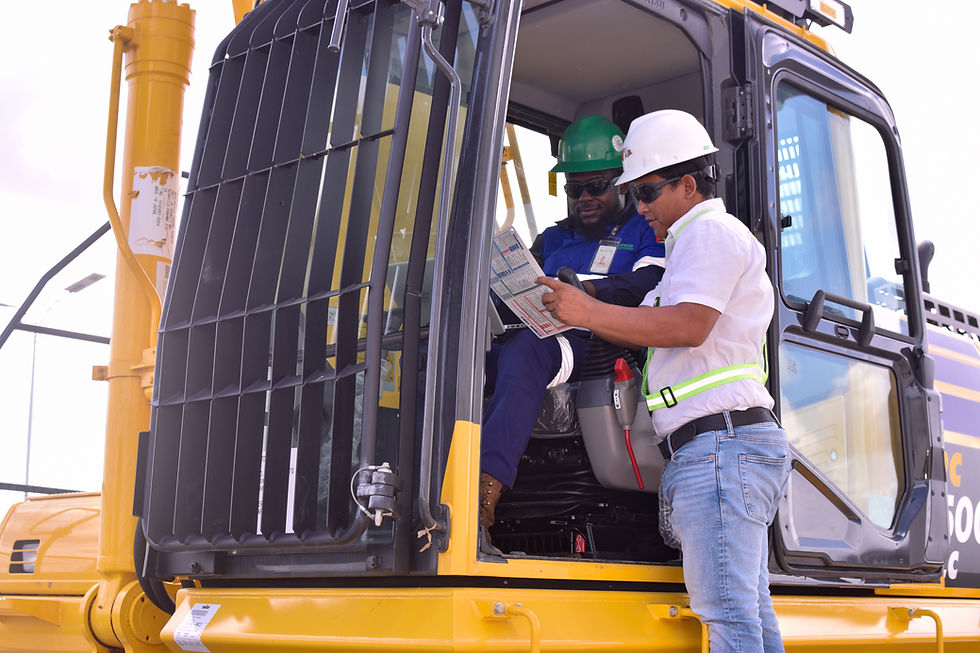
Even a well-maintained machine will wear down fast if it’s operated carelessly. Hard braking, aggressive turning, skipping warm-up times, or ignoring safe loading techniques can all lead to damage. Small errors like riding the clutch or over-revving the engine accelerate wear and reduce the life of vital systems.
Avoid such mistakes by:
Train operators on the right techniques for each machine.
Encourage smoother, more mindful operation.
Warm up and cool down the machine, just like an athlete!
Quick Tip: An attentive operator who listens to the machine and spots unusual behavior early is one of your best assets.
Using the Wrong Parts or Fluids
Using cheap or incorrect parts and fluids may save a few dollars now, but can cost thousands later. Non-genuine filters, low-quality oils, and incompatible attachments often don’t meet manufacturer standards. Improper fluids can cause overheating, poor lubrication, or chemical breakdown. And off-brand parts may not fit properly, wear faster, or even void your warranty.
At Genequip, we recommend:
Sticking to genuine or approved OEM parts.
Use only manufacturer-recommended oils, greases, and coolants.
Never mixing fluid types (for example, old grease with new).
Quick Tip: Always refer to your equipment manual for fluid specs, especially if you're operating in extreme conditions.
Ignoring Warning Signs
Machines often give early warning signs before a breakdown: unusual noises, warning lights, performance drops, or small leaks. But these are often ignored in the rush to ‘just get the job done’. A small leak can lead to major hydraulic failure. A clogged air filter can cause engine damage. Ignoring alarms can spiral into full system breakdowns.
Simple preventative maintenance can look like:
Doing walk-around inspections before and after each shift.
Acting on error codes, leaks, or strange sounds immediately.
Keeping your equipment clean to make spotting issues easier.
Quick Tip: Dirt and mud buildup trap heat and hide problems. Clean equipment lasts longer.
Final Takeaway
Damaging heavy equipment is easier than you think, but also entirely preventable. Whether it’s a Komatsu dozer in a quarry, a Bomag compactor on-site, or a John Deere tractor in the field, the principles remain the same:
Stay on top of maintenance
Respect machine limits
Train and operate carefully
Use only approved parts and fluids
Address small problems before they become big ones
At Genequip, we’re more than your equipment supplier. As the authorized distributor for reputable brands, we’re here to help you get the most out of your machines. Need support? Our service team can be reached here. You can also find genuine parts for your giants here.


Comments